
Our Coffee in Penang Is One Bean and a Lot of Tasting
We make one coffee in Penang, with one bean, and we've been doing it for years. Coffee is super subjective, and the way we make ours is just the way the people we serve like it. This is a rundown of how a morning at the bar goes, plus a few things about Diana.
The Bean
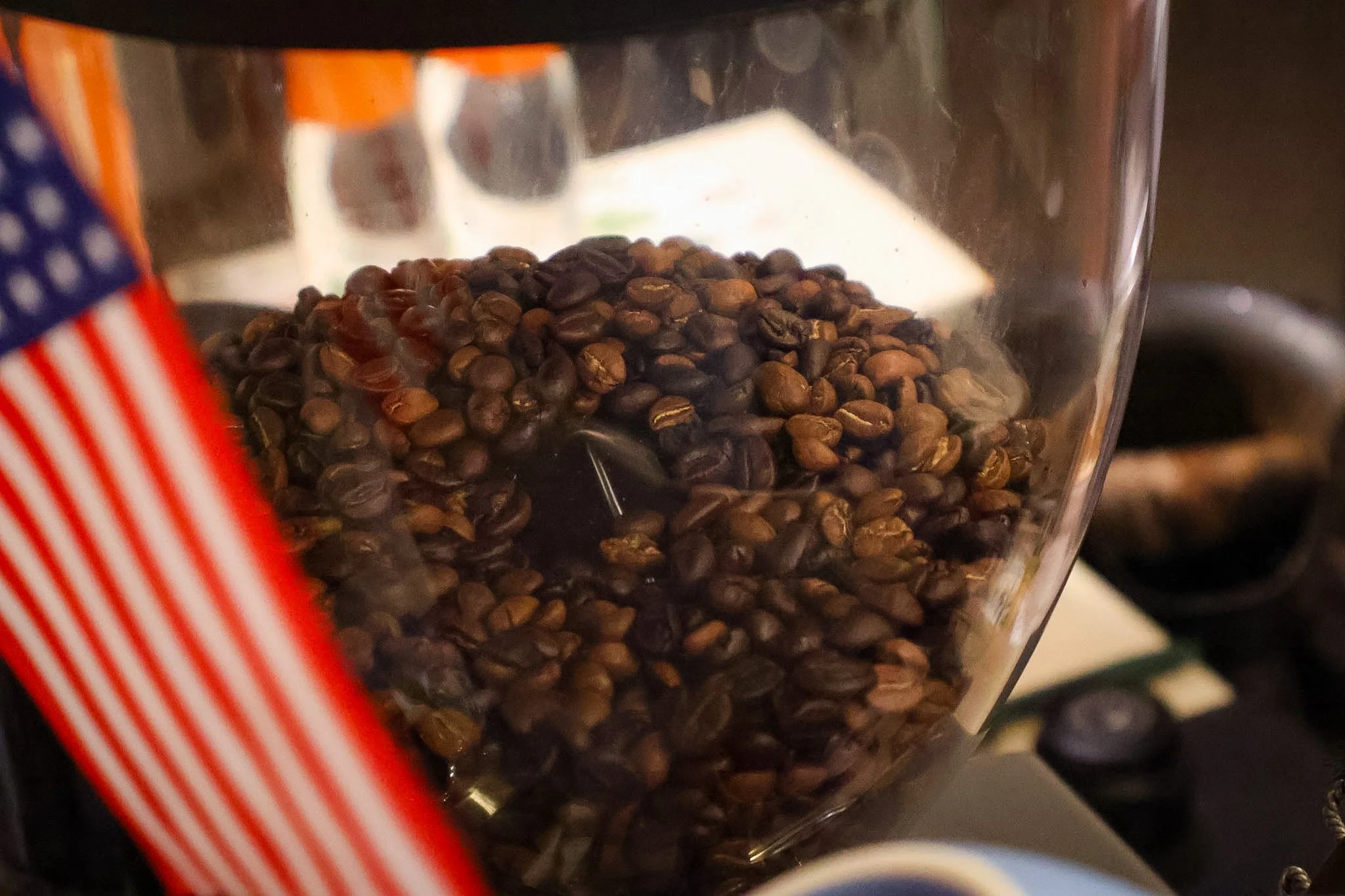
It's ROCKY Gold, a fully washed Thai Arabica grown at 1,500 metres and roasted medium-dark. We get it from our supplier, Hillkoff. The bag says caramel, cinnamon and bittersweet cacao, and every time we've checked, the bag has been right.
We tried a few other beans before this one. Some of them were really good. We also thought about becoming a roastery cafe at one point, looked at what that would involve, and KIV'd it. It's still KIV'd.
Why one bean? Mostly because of how our bar works. Every extra bean needs its own grinder, its own recipe and its own calibration every day, and our bar also makes milkshakes and smoothies and a bunch of other things. One bean is what we can keep up with. We imagine two beans would be okay. Three, and your espresso is probably being extracted with actual barista tears.
What Good Tastes Like (According to Our Customers)
Somewhere out there is a person (we’ll assume his name was Moses, because that guy was important) who decided what "good" coffee is supposed to taste like, and the rest of us have been getting graded on it ever since. We'd like to politely suggest that guy take his Correctness and shove it up his portafilter
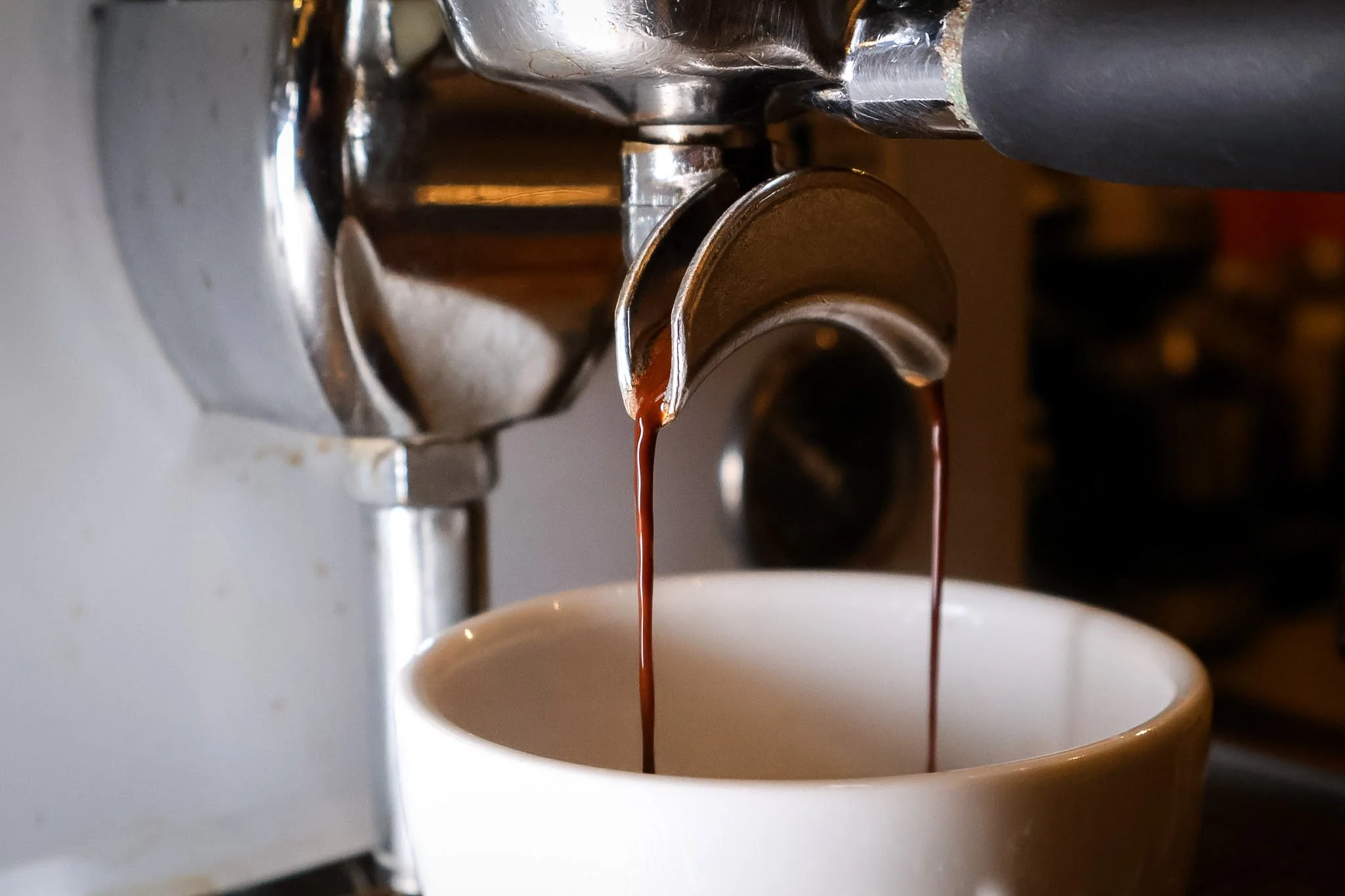
Here's what we do instead. We ask our customers what they like, get a census, and over the years that's turned into a shot that's slightly darker than what’s usual in Georgetown. It’s very mild on acidity with a hint of bitterness that catches the back of your throat at the finish. Neither one takes over. If it's too sour it comes out sharp and thin, and if it's too bitter it tastes burnt, and our customers tell us pretty quickly when we've drifted either way. You might like yours totally different, and that's a fine cup of coffee too.
Diana drinks our coffee every morning and can tell straight away whether it's where our customers expect it to be. She doesn't use tasting notes. Her feedback is usually one of three sentences:
"The coffee is bad."
"The coffee is burnt."
"The coffee is not right today."
It's the most honest quality control we have, and it's free.
Before We Open
We open at 8am, and there's usually someone already waiting.
Before we flip the sign, whoever's on the bar pulls shots, tastes them and adjusts. It usually takes three or four tries. We watch the stream while it pulls: it starts thin, then thickens and speeds up as the shot runs. When the stream and the taste line up, we open.
Around 2 or 3pm we do it all again. Penang humidity and the aircon don't care that the grinder was perfect at breakfast, so a setting that pulled a good shot in the morning can drift by the afternoon. We taste, and recalibrate if it needs it.
To the person at the door at 8: we see you. It's nearly ready.
Our Numbers
These are the numbers we aim for, and what every new barista learns first.
Double ristretto: 17.5g in, 25g out, in roughly 18 to 20 seconds.
Double espresso: 18g in, 43 to 45g out, in roughly 30 to 32 seconds.
We use a VBM Lollo machine and a Fiorenzato F64 EVO grinder. We've changed kit a few times over the years, and none of it could taste, so the numbers are really just where we start. After that, it's tasting.
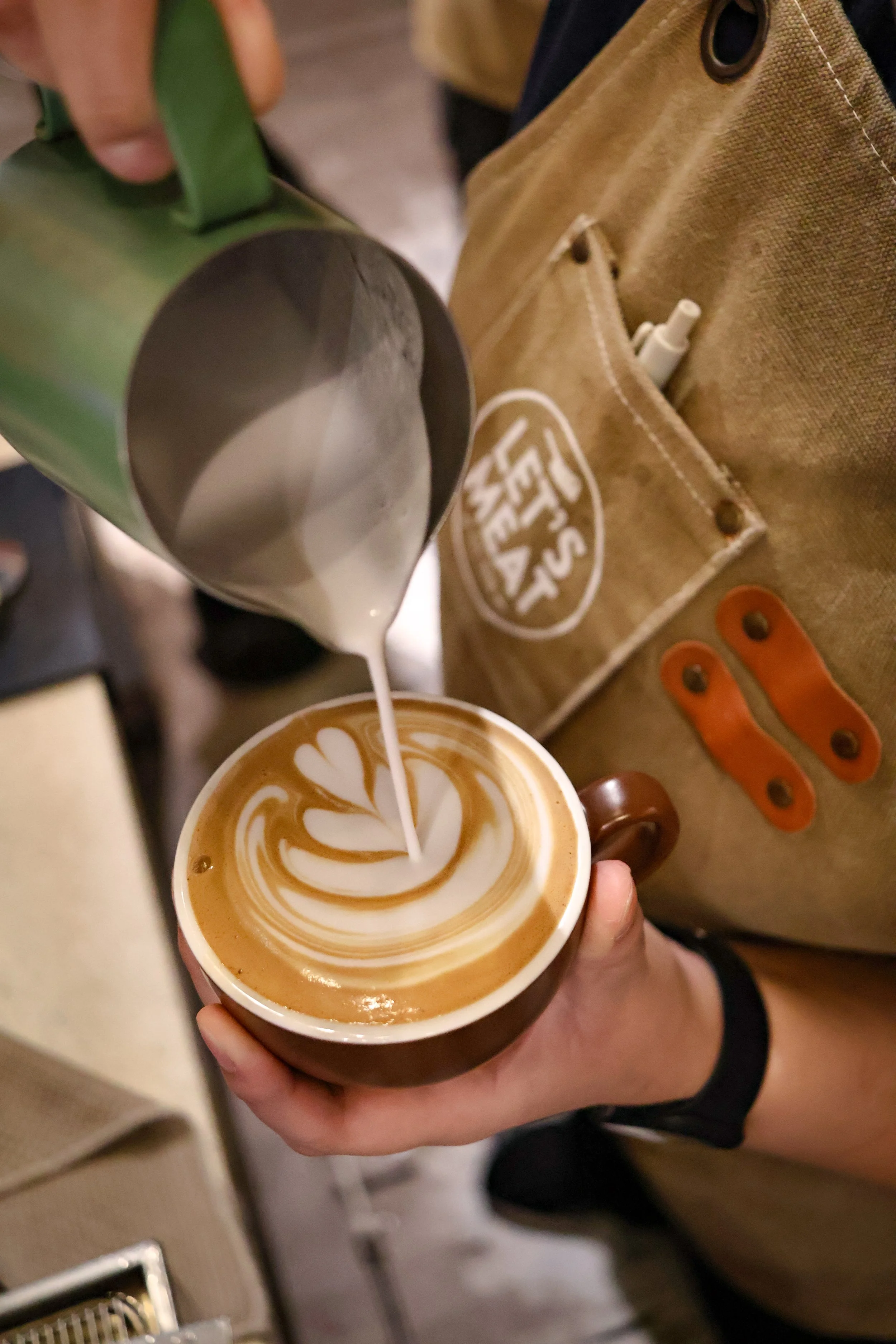
A new barista gets the bar once they can do four things: taste a shot and recalibrate it themselves, steam and froth milk properly, pour a simple latte art consistently, and handle a stack of orders without slowing down. That last one is harder than it sounds, because the bar also does milkshakes, smoothies and the rest. Anyone who's worked a bar with a blender running and four tickets stacked probably knows.
Our two senior baristas are Arieff and Noah. Arieff has been with us for almost ten years and knows coffee like the back of his hand. He's off the bar these days.
If Your Espresso at Home Isn't How You Like It
If you make espresso at home, this is what we'd try, and it's what we do ourselves. Your taste is the one that counts here, so adjust to whatever you enjoy.
As far as we understand it, sour coffee is under-extracted, meaning the water ran through too fast and pulled out the acids before the sweetness showed up. Bitter coffee is over-extracted: it ran too long and pulled out the harsh stuff at the end. For both, we start with grind size. If it's sour, we go finer. If it's bitter, we go coarser. Clive Coffee's guide to sour and bitter espresso suggests moving one click at a time and changing only one thing per shot, and we do the same.
Two other things we do at the bar. We taste before touching anything, and we don't assume yesterday's setting still works. A humid Penang afternoon messes with a home kitchen about as much as it messes with ours.
If you're comparing recipes, Clive starts at 18g in and 36g out. Ours runs longer, because that's where ROCKY Gold tastes balanced to us. Starting with a standard recipe and adjusting until it tastes like what you like seems to work.
Same Bean, Your Kitchen
We sell the same ROCKY Gold we use behind the bar: RM80 for 500g of whole beans. You'll need a grinder.
Ask at the counter, or message us. We're almost always stocked, but now and then we run low and keep what's left for the bar. Priorities.
Frequently Asked Questions
-
ROCKY Gold, a fully washed Thai Arabica roasted medium-dark, from our supplier Hillkoff. It's the only bean in our regular coffee.
-
No. Oat, almond and soy milk are all free swaps.
-
From 8am, once we've tasted and calibrated the first shots of the day.
-
Yes. RM80 for 500g of whole beans, at the counter.
A flat white starts at RM12 (before service charge and SST), and oat milk costs nothing extra.
We're in Tanjung Bungah, open from 8. Someone's probably already waiting. Come say hi, and stay for the second cup.